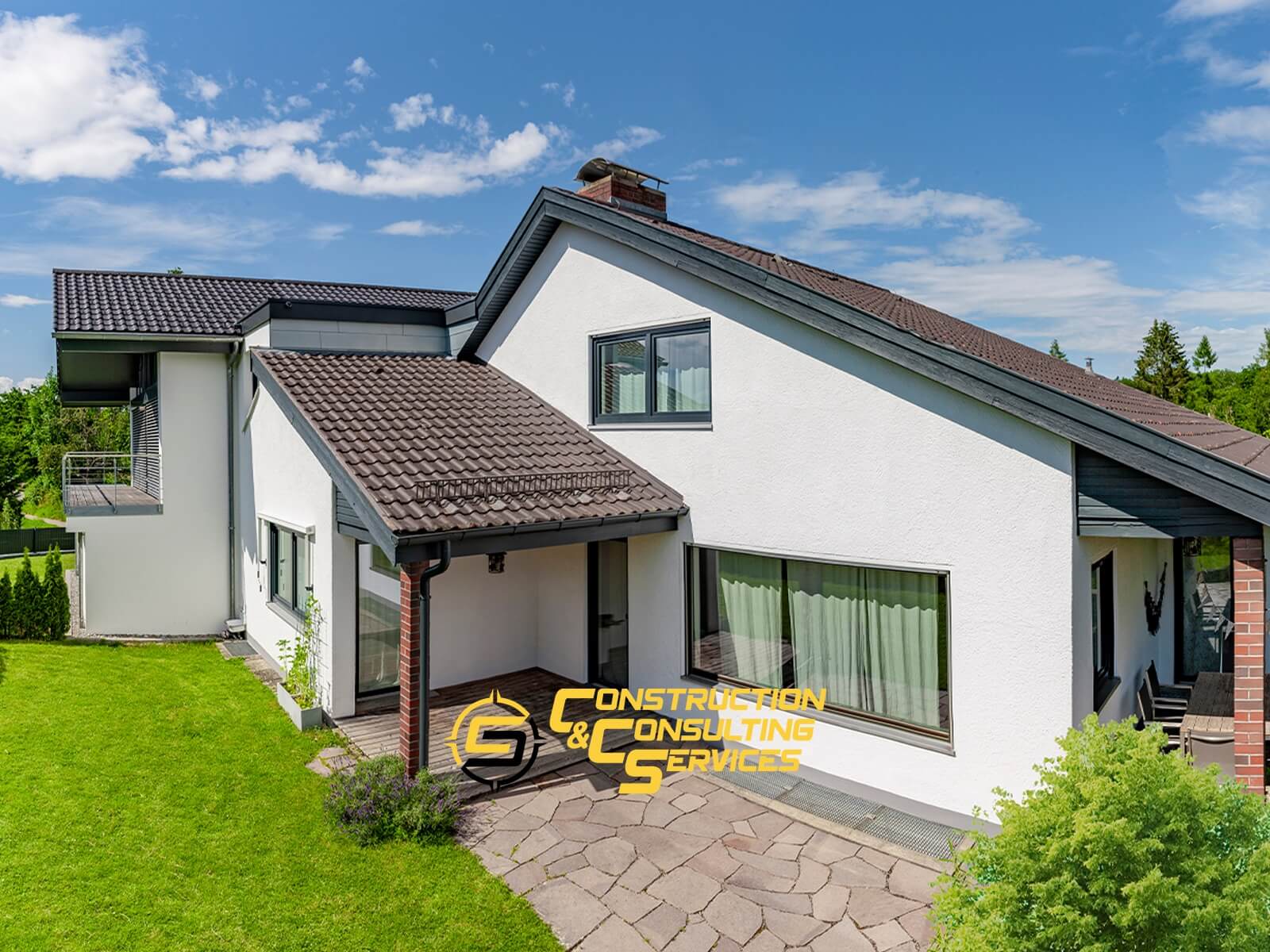

ADU vs Room Addition: Cost, Permits & Resale Value Compared
Need more space on your Los Angeles property? You’re facing a common decision: build an ADU (Accessory Dwelling Unit) or add a room addition to your main house. Both options increase your living space and property value, but they serve different purposes, have different costs, and follow different rules. This comprehensive comparison will help you choose the right option for your needs and budget.
Quick Comparison Overview
|
Factor
|
ADU
|
Room Addition
|
|---|---|---|
|
Typical Cost (LA)
|
$150,000 – $300,000
|
$80,000 – $250,000
|
|
Cost per Sq Ft
|
$200 – $350/sq ft
|
$150 – $300/sq ft
|
|
Rental Income
|
$1,800 – $3,500/mo
|
None (part of main house)
|
|
ROI Potential
|
10-15% annually (rental)
|
50-80% at resale
|
|
Permitting
|
Streamlined/ministerial
|
Standard process
|
|
Timeline
|
6-12 months
|
4-10 months
|
|
FAR Impact
|
Exempt (doesn’t count)
|
Counts toward FAR limit
|
|
Separate Kitchen
|
Required
|
Not allowed (unless ADU)
|
|
Privacy
|
High (separate unit)
|
Low (part of main house)
|
|
Resale Appeal
|
High (income property)
|
Moderate (more space)
|
What is an ADU?
An ADU is a complete, independent dwelling unit with its own:
- Kitchen facilities
- Bathroom
- Sleeping area
- Separate entrance
- Utilities (may share meters)
ADUs are governed by special California laws (Government Code 65852.2) that provide streamlined permitting and exemptions from many standard zoning requirements.
What is a Room Addition?
A room addition expands your existing home by adding:
- Bedrooms
- Bathrooms
- Living spaces
- Family rooms
- Home offices
- Extended kitchens or dining areas
Room additions are part of your primary residence and follow standard Los Angeles building codes and zoning rules.
Detailed Cost Breakdown
ADU Costs (800 sq ft example)
|
Component
|
Cost Range
|
Notes
|
|---|---|---|
|
Design & Plans
|
$8,000 – $20,000
|
Separate building requires full architectural plans
|
|
Permits & Fees
|
$5,000 – $15,000
|
Under 750 sq ft exempt from impact fees
|
|
Foundation
|
$20,000 – $35,000
|
New foundation required
|
|
Structure/Framing
|
$40,000 – $70,000
|
Complete new building envelope
|
|
Utilities
|
$15,000 – $30,000
|
Trenching, connections, possible new service
|
|
Kitchen
|
$15,000 – $35,000
|
Full kitchen with appliances required
|
|
Bathroom
|
$12,000 – $25,000
|
Complete bathroom with shower/tub
|
|
Interior Finishes
|
$20,000 – $40,000
|
Flooring, drywall, paint, trim
|
|
Exterior
|
$10,000 – $20,000
|
Siding, roofing, windows, doors
|
|
Total
|
$160,000 – $280,000
|
~$200-$350/sq ft
|
Room Addition Costs (800 sq ft example)
|
Component
|
Cost Range
|
Notes
|
|---|---|---|
|
Design & Plans
|
$5,000 – $12,000
|
Simpler plans (addition to existing structure)
|
|
Permits & Fees
|
$3,000 – $10,000
|
Standard permit fees
|
|
Foundation
|
$15,000 – $30,000
|
Ties into existing; may be less extensive
|
|
Structure/Framing
|
$30,000 – $55,000
|
Shares walls; integrates with existing roof
|
|
Utilities
|
$8,000 – $18,000
|
Extensions from existing systems
|
|
Kitchen Expansion (optional)
|
$10,000 – $25,000
|
Only if expanding existing kitchen
|
|
Bathroom Addition
|
$12,000 – $25,000
|
If adding new bathroom
|
|
Interior Finishes
|
$15,000 – $35,000
|
Must match existing home style
|
|
Exterior/Roofing
|
$12,000 – $25,000
|
Roof integration can be complex
|
|
Total
|
$120,000 – $220,000
|
~$150-$275/sq ft
|
Cost Advantage: Room Addition– Typically 15-25% less expensive per square foot than an ADU
Permitting & Approval Process
ADU Permitting Advantages
|
Benefit
|
Explanation
|
|---|---|
|
Ministerial Approval
|
Must be approved if meets objective standards (no discretionary review)
|
|
60-Day Approval Timeline
|
Cities must approve or deny within 60 days
|
|
FAR Exemption
|
ADUs don’t count toward Floor Area Ratio limits
|
|
Setback Reductions
|
Can build with 4-foot setbacks (vs 5-15 feet standard)
|
|
Parking Exemption
|
No parking required in most cases
|
|
Impact Fee Exemptions
|
ADUs under 750 sq ft exempt from impact fees
|
|
Owner-Occupancy
|
No longer required (as of 2020)
|
Room Addition Permitting Constraints
|
Requirement
|
Impact
|
|---|---|
|
FAR Limits
|
Must comply with lot’s maximum Floor Area Ratio (often limiting)
|
|
Standard Setbacks
|
Typically 5-15 feet from property lines
|
|
Lot Coverage
|
May be restricted by maximum lot coverage percentage
|
|
Architectural Review
|
May require design review in some neighborhoods
|
|
Longer Approval
|
90-120+ days typical for plan review
|
|
Parking Requirements
|
May trigger additional parking requirements
|
|
CEQA Review
|
Large additions may require environmental review
|
Permitting Example: 800 sq ft Project
Scenario: R1-zoned 6,000 sq ft lot with 1,800 sq ft house (30% FAR)
ADU Option:
- Can build 800 sq ft ADU without FAR concerns
- ADU exempt from FAR calculation
- Total living space: 2,600 sq ft
- Ministerial approval
- Result: APPROVED
Room Addition Option:
- Maximum FAR for lot: 50% = 3,000 sq ft
- Existing house: 1,800 sq ft
- Maximum addition: 1,200 sq ft possible
- 800 sq ft addition: APPROVED
- But subject to standard setbacks and lot coverage
What if FAR was already maxed?
- ADU: Still allowed (FAR exempt)
- Addition: Not allowed without variance or FAR relief
Income Generation Potential
ADU Rental Income
|
ADU Size
|
Avg Monthly Rent (LA)
|
Annual Income
|
30-Year Income
|
|---|---|---|---|
|
500 sq ft studio
|
$1,700
|
$20,400
|
$612,000
|
|
700 sq ft 1-bedroom
|
$2,200
|
$26,400
|
$792,000
|
|
900 sq ft 2-bedroom
|
$2,800
|
$33,600
|
$1,008,000
|
Assumes 3% annual rent increases
Room Addition Income
Direct rental income: $0
Room additions are part of your primary residence and cannot be rented separately. However, they can:
- Allow you to rent entire house for more (if you move out)
- Generate income if used as home office (business deduction)
- Create Airbnb opportunity for whole house (if permitted)
Income Advantage: ADU– Can generate $20,000-$40,000+ annually in passive income
Calculate your specific rental income potential with our ADU Cost Calculator.
Property Value Impact
ADU Value Addition
|
Property Value Before
|
ADU Investment
|
Estimated Value After
|
Value Increase
|
|---|---|---|---|
|
$800,000
|
$200,000
|
$1,050,000 – $1,100,000
|
+$250,000 – $300,000
|
|
$1,200,000
|
$250,000
|
$1,550,000 – $1,620,000
|
+$350,000 – $420,000
|
|
$1,600,000
|
$280,000
|
$2,050,000 – $2,140,000
|
+$450,000 – $540,000
|
Typical ADU value addition: 125-150% of construction cost
Room Addition Value Addition
|
Addition Type
|
Investment
|
Typical Return at Sale
|
ROI %
|
|---|---|---|---|
|
Master Suite Addition
|
$150,000
|
$105,000 – $120,000
|
70-80%
|
|
Bathroom Addition
|
$75,000
|
$45,000 – $56,000
|
60-75%
|
|
Family Room Addition
|
$120,000
|
$72,000 – $84,000
|
60-70%
|
|
Second Story Addition
|
$200,000
|
$140,000 – $160,000
|
70-80%
|
Typical room addition value: 60-80% of construction cost at resale
Value Advantage: ADU– Higher return on investment, plus generates income while you own the property
Use Cases: When to Choose Each Option
Choose an ADU if:
- You want rental income– Passive income of $20,000-$40,000/year
- Multi-generational living with privacy– Aging parents or adult children need independence
- You’re at FAR limit– Can’t expand main house further
- Investment focus– Maximizing property value and ROI
- Future flexibility– May sell separately under AB 1033
- You have lot space– Adequate yard for separate structure
- Guest house need– Frequent visitors or rental opportunity
Choose a Room Addition if:
- You need more space in main house– Growing family, home office, playroom
- Budget is tighter– Additions typically cost 20% less
- You want integrated space– Prefer everything under one roof
- Faster timeline– Additions can be quicker (4-8 months)
- Climate control efficiency– Single HVAC system cheaper to operate
- No rental intent– Just want more square footage
- Limited lot space– Not enough yard for separate structure
- Architectural cohesion– Want seamless expansion of existing home
Zoning & Code Considerations
FAR (Floor Area Ratio) Impact
Example: 7,500 sq ft lot in R1 zone (50% max FAR = 3,750 sq ft max house size)
|
Scenario
|
ADU Option
|
Room Addition Option
|
|---|---|---|
|
Existing house is 2,000 sq ft
|
Can add 1,200 sq ft ADU + up to 1,750 sq ft addition = 4,950 sq ft total
|
Can add 1,750 sq ft addition (FAR limit) = 3,750 sq ft total
|
|
Existing house is 3,500 sq ft
|
Can add 1,200 sq ft ADU + maybe 250 sq ft addition = 4,950 sq ft total
|
Can add only 250 sq ft addition (FAR limit) = 3,750 sq ft total
|
|
Existing house is already at FAR limit (3,750 sq ft)
|
Can still add 1,200 sq ft ADU (exempt) = 4,950 sq ft total
|
CANNOT add any addition without variance
|
Key Insight:If you’re near or at your FAR limit, an ADU may be your ONLY option to add square footage.
Setback Requirements
|
Setback Type
|
Standard (Room Addition)
|
ADU Exception
|
|---|---|---|
|
Rear Setback
|
15 feet typical
|
4 feet minimum
|
|
Side Setback
|
5-8 feet typical
|
4 feet minimum
|
|
Front Setback
|
15-25 feet typical
|
Same as main house (ADU usually in back)
|
This means ADUs can be built on lots where standard additions wouldn’t fit within setback requirements.
Financing Options
ADU Financing
- Home Equity Loan: 6-9% interest, up to 85% LTV
- Home Equity Line of Credit (HELOC): Variable rate, flexible draw
- Cash-Out Refinance: May get lower rate if timing is right
- Construction Loan: Short-term, higher rate, converts to permanent
- Specialized ADU Loans: Some lenders offer ADU-specific products
- CalHFA ADU Grant Program: Up to $40,000 for low/moderate income
Room Addition Financing
- Home Equity Loan: 6-9% interest
- HELOC: Variable rate
- Cash-Out Refinance: Depends on market rates
- Personal Loan: Smaller additions, higher rates (9-12%)
- Credit Cards: Very small projects only (not recommended)
Financing Advantage: ADU– More specialized loan products available, rental income can qualify you for larger loans
Construction Timeline Comparison
Typical ADU Timeline
- Design & Planning: 4-8 weeks
- Permit Submission: 1 week
- Permit Approval: 6-12 weeks (ministerial, but varies)
- Site Prep: 2-3 weeks
- Foundation: 3-4 weeks
- Framing: 6-8 weeks
- Mechanicals/Utilities: 4-6 weeks
- Interior Finishes: 6-8 weeks
- Final Inspection: 2-3 weeks
Total: 6-12 months
Typical Room Addition Timeline
- Design & Planning: 3-6 weeks
- Permit Submission: 1 week
- Permit Approval: 8-16 weeks
- Site Prep: 1-2 weeks
- Foundation: 2-3 weeks
- Framing: 4-6 weeks
- Roof Integration: 2-3 weeks
- Mechanicals: 3-5 weeks
- Interior Finishes: 5-7 weeks
- Final Inspection: 2-3 weeks
Total: 5-10 months
Timeline Advantage: Room Addition– Typically 1-2 months faster
Living Disruption During Construction
ADU Construction Impact
- Noise: Construction noise, but in backyard
- Access: Contractors need yard access daily
- Utilities: Temporary shutoffs for connections (hours, not days)
- Dust: Minimal impact to main house interior
- Bathroom/Kitchen: Main house facilities unaffected
- Livability: Generally can stay in main house throughout
Room Addition Impact
- Noise: Inside main house, more disruptive
- Access: Contractors working inside/outside your home
- Utilities: May affect main house systems
- Dust: Difficult to contain; affects whole house
- Bathroom/Kitchen: May be out of service if remodeling
- Livability: May need to move out temporarily
Disruption Advantage: ADU– Less impact on daily living
Long-Term Maintenance & Operating Costs
ADU Annual Costs
|
Expense
|
Annual Cost
|
|---|---|
|
Property Tax Increase (proportional)
|
$2,000 – $3,500
|
|
Insurance (landlord policy add-on)
|
$400 – $800
|
|
Maintenance Reserve
|
$1,200 – $1,800
|
|
Utilities (if owner-paid)
|
$1,200 – $2,400
|
|
Landscaping (if separate)
|
$300 – $600
|
|
Total Annual
|
$5,100 – $9,100
|
Offset by $20,000-$40,000 annual rental income
Room Addition Annual Costs
|
Expense
|
Annual Cost
|
|---|---|
|
Property Tax Increase
|
$1,200 – $2,500
|
|
Insurance Increase
|
$200 – $400
|
|
Utilities Increase
|
$600 – $1,200
|
|
Maintenance Reserve
|
$600 – $1,000
|
|
Total Annual
|
$2,600 – $5,100
|
No offsetting income
Operating Cost Advantage: Room Addition– Lower ongoing costs, but no income to offset them
Tax Implications
ADU Tax Benefits
- Rental Income Tax: Taxable, but many deductions available
- Depreciation: Deduct 1/27.5 of ADU value annually (~$7,000/year for $200k ADU)
- Operating Expenses: Deduct maintenance, insurance, utilities, management
- Mortgage Interest: Deductible on rental property
- Property Tax: Deductible portion for ADU
- Potential for Tax Loss: Depreciation can create “paper loss” while generating cash flow
Room Addition Tax Treatment
- Property Tax: Standard deduction (up to $10k SALT limit)
- Mortgage Interest: Deductible if primary residence
- Capital Gains at Sale: May increase basis, reducing capital gains tax
- Home Office Deduction: If used for business (limited)
Tax Advantage: ADU– More deductions available, especially if renting
Resale Considerations
Buyer Appeal: ADU
- Income property: Appeals to investors
- Multi-generational buyers: Large and growing market segment
- Flexibility: Use as rental, guest house, office, or family housing
- Mortgage helper: Rental income can qualify buyer for larger loan
- Higher price point justified: Income stream supports higher asking price
Buyer Appeal: Room Addition
- More space: Appeals to families needing bedrooms
- Functionality: Home office, playroom, etc.
- Simpler: No landlord responsibilities
- No roommates needed: Appeals to buyers who don’t want to rent
- Better for primary residence buyers: Just want more house
Can You Do Both?
Yes! Many homeowners choose to do both an ADU AND a room addition, since ADUs don’t count toward FAR:
Example Strategy:
- Build 1,200 sq ft ADU in backyard (rental income)
- Add 600 sq ft master suite to main house (personal use)
- Total added space: 1,800 sq ft
- ADU generates income to help pay for both projects
Check your property’s potential with our ADU Eligibility Check tool.
Decision Matrix
|
Your Priority
|
Recommendation
|
|---|---|
|
Maximum ROI and income generation
|
ADU
|
|
Lowest construction cost
|
Room Addition
|
|
Working around FAR limits
|
ADU
|
|
Fastest timeline
|
Room Addition
|
|
Privacy for multi-generational living
|
ADU
|
|
Integrated family space
|
Room Addition
|
|
Investment/rental property
|
ADU
|
|
Growing family needs more bedrooms
|
Room Addition
|
|
Passive income
|
ADU
|
|
Home office/personal use
|
Room Addition
|
|
Maximum property value increase
|
ADU
|
|
Minimal living disruption
|
ADU
|
Get Expert Guidance
Choosing between an ADU and room addition depends on your goals, budget, property constraints, and long-term plans. Both options can significantly improve your property, but in different ways.
As experienced Los Angeles contractors specializing in both ADUs and room additions, we can help you:
- Evaluate your property’s potential for each option
- Calculate accurate costs and ROI for both scenarios
- Navigate permitting for either project type
- Resolve any existing code violations before starting
- Design and build your project from concept to completion
Use our Cost Calculator to compare both options for your specific property, or contact us for a comprehensive consultation on which choice makes the most sense for your situation.